 STRUXA
 Struxa Labs
Geometry carries the load.
Struxa Labs is the research division of Struxa, Inc. We develop the Struxaform lattice platform and StruxaOS, software in development, intended to let hospitals design and produce patient-specific orthopedic supports on site.
The work starts at one question: how does load actually move through a support, and how little material does that take? Answer it well and the rest follows. The part gets lighter, the structure gets more open, and the shape can be tuned to the person instead of the shelf.
Two products exist today, both finger splints. They are the first expression of the platform, not the extent of it.
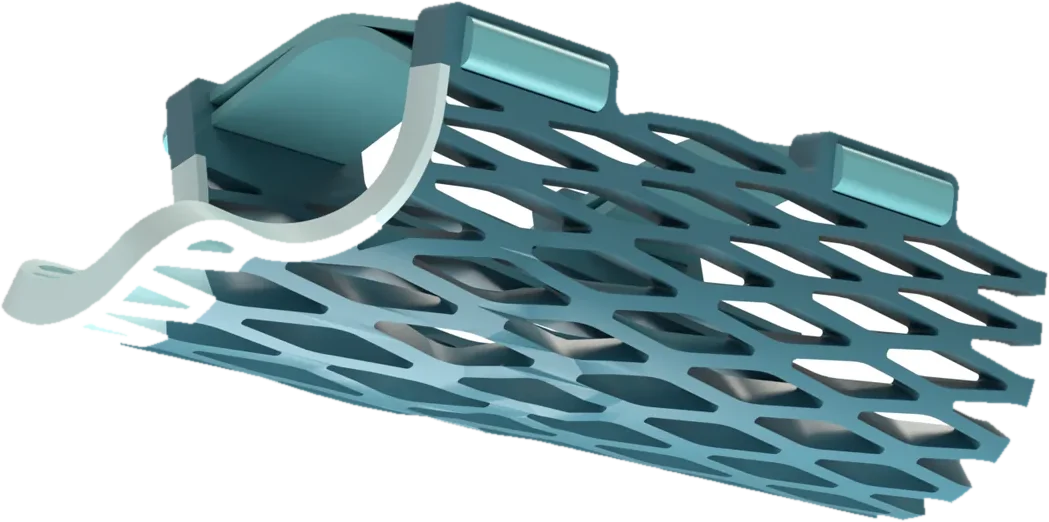
A lattice platform
Struxaform is patent-pending, application 19/566,425. The geometry is generated from rules, not drawn by hand.
Software in development
StruxaOS is being built so a care team could design and produce a fitted support on site. It is not available.
Made where it is designed
Production is additive, in our own facility in Lakewood, Colorado, which keeps the loop short.
The platform
Struxaform: an engineered open lattice
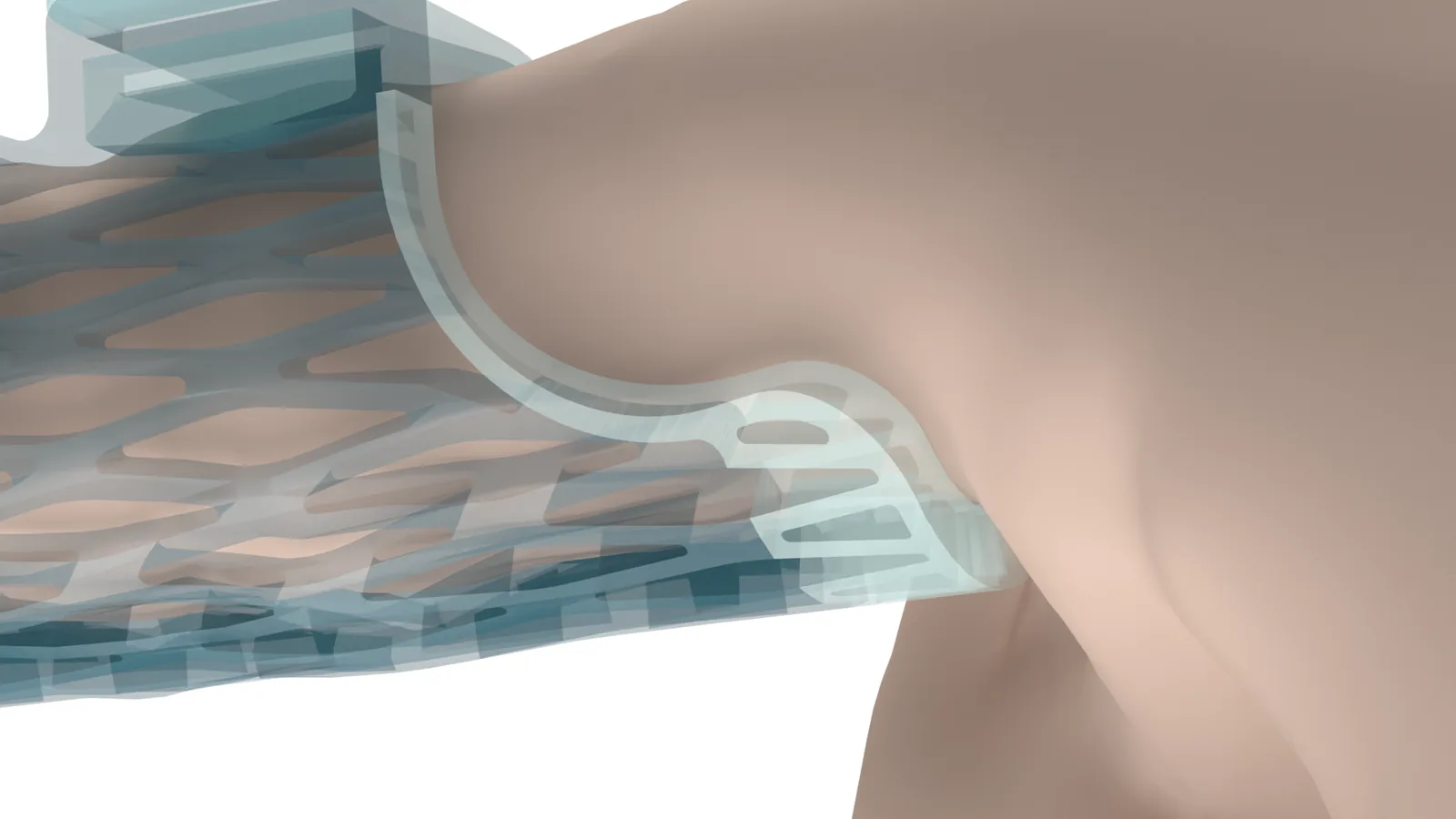
Struxaform is a patent-pending engineered open lattice, application 19/566,425. A conventional support gets its strength from thickness: a solid shell, made stiff by adding material everywhere. A Struxaform part gets its strength from arrangement. Struts are placed so that load travels along defined paths, and the structure between those paths is left open.
That inversion is the whole idea. Once the load paths are explicit, material becomes something you spend deliberately rather than something you default to. Stiffness stops being a property of the stock and becomes a design variable, set by cell size, strut thickness, and orientation. It can vary across a single part: firmer where the part needs to hold, more compliant where it has to wrap.
Openness is not a byproduct to be tolerated. It is designed in. Air moves through the structure, the part is light for the stiffness it delivers, and the skin underneath stays visible.
Fingers are where we started because they are the hard case: small, constantly moving, and difficult to fit off a shelf. But nothing in the method is specific to fingers. Define the load paths, build only the structure that serves them, leave the rest open. That approach applies anywhere a support has to hold part of the body while staying light and breathable. Extending it across a broader range of orthopedic supports is the thesis Struxa Labs exists to test.
-
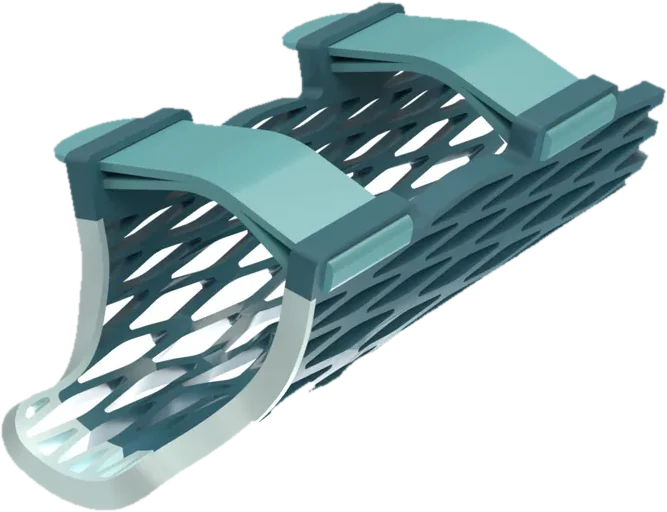
Geometry carries the load
Strength comes from how the structure is arranged, not from how much of it there is. Struts follow the paths the load actually takes.
- Load paths defined before geometry is generated
- Stiffness set by cell size, strut thickness, and orientation
- Properties can vary continuously across one part
-
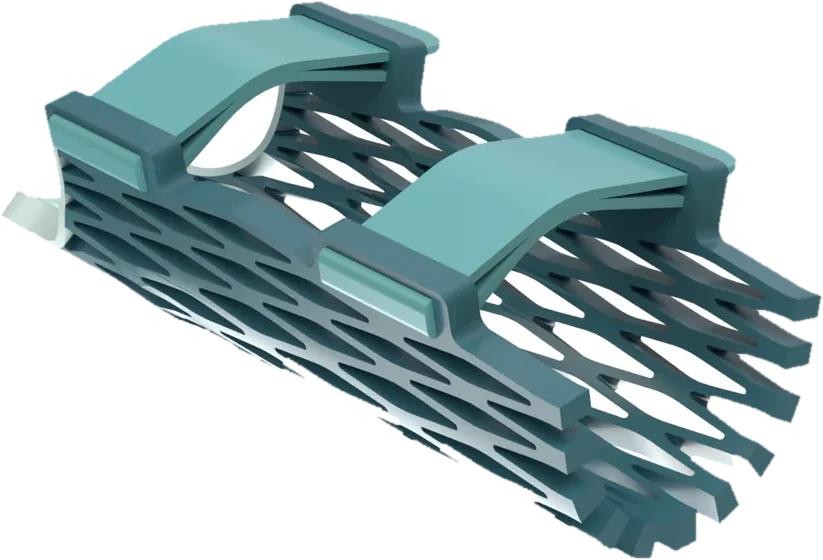
Material only where it contributes
Every strut earns its place. Material that does not carry load does not get placed, which is why the parts are light without being thin.
- Mass follows function, not the outline of the part
- No solid shell to add bulk where nothing is being held
- Additively manufactured, so open internal structure costs nothing to produce
-
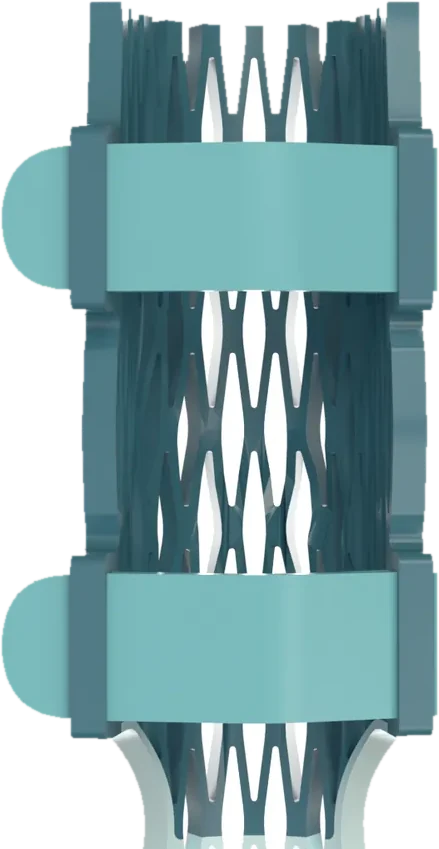
Open by construction
The lattice is mostly space. Air moves through it, and the part does not seal off what it covers.
- Airflow through the structure, not around it
- The skin underneath remains visible
- Low mass for the stiffness delivered
-
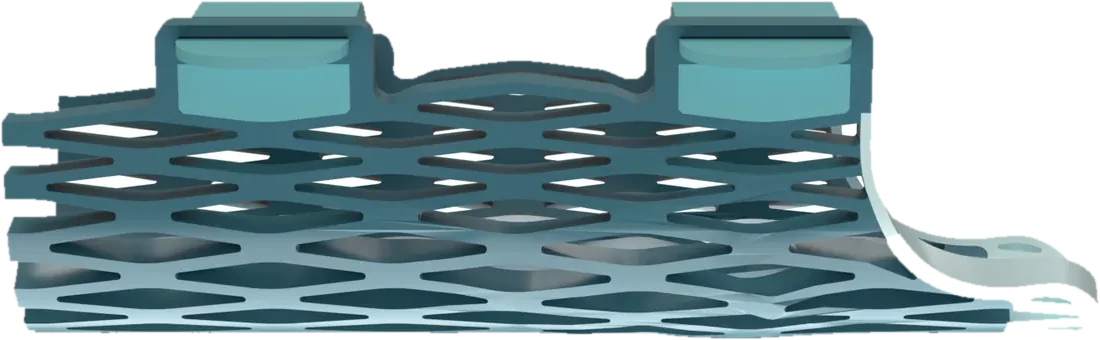
One method, many geometries
The lattice is generated, not drawn by hand. That is what makes it a platform: the same method produces different parts for different anatomy without starting over.
- Parametric definition rather than fixed CAD
- The finger splints are one instance of the method
- Designed to generalize to a broader range of orthopedic supports
Seeing the structure
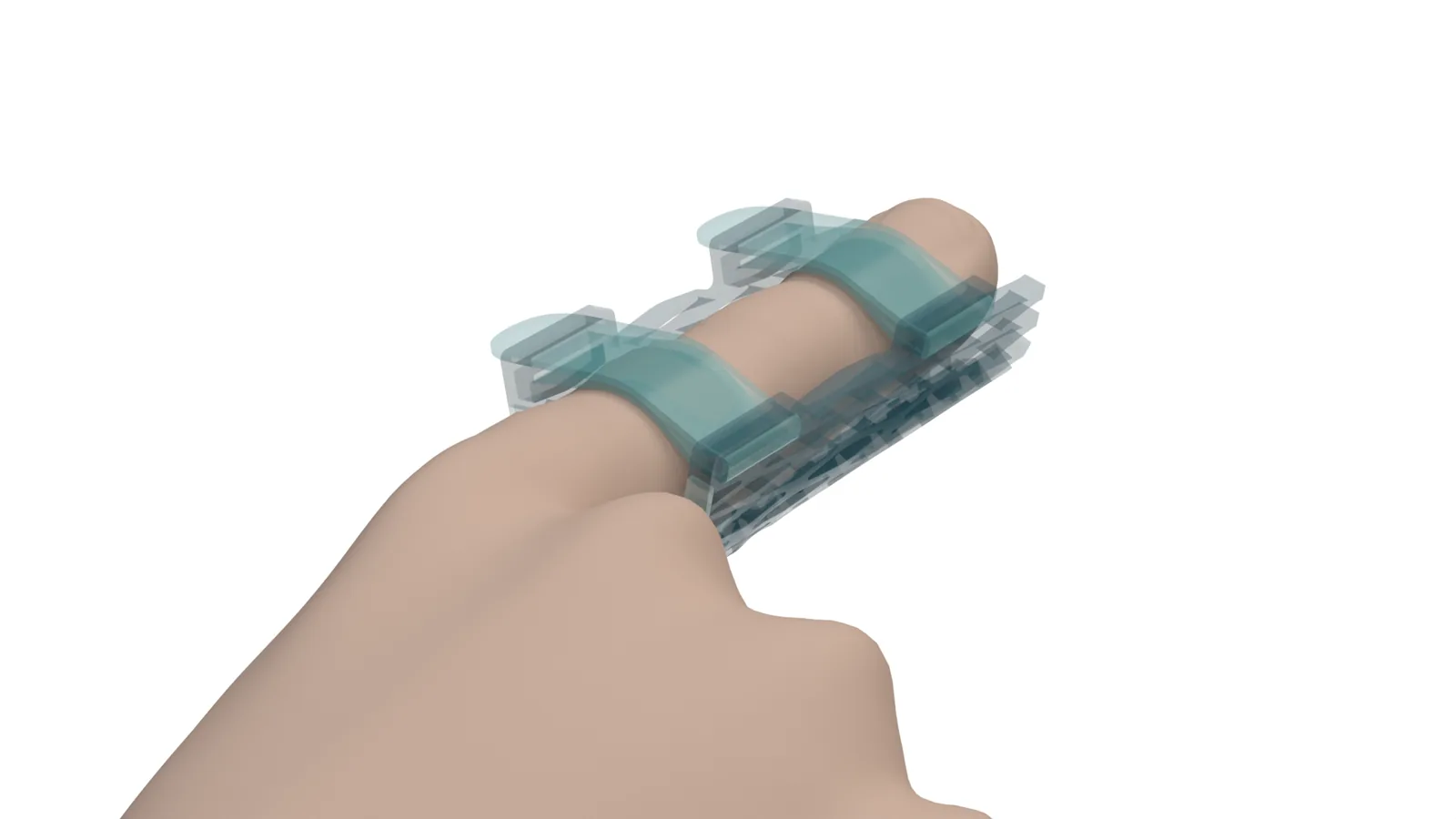
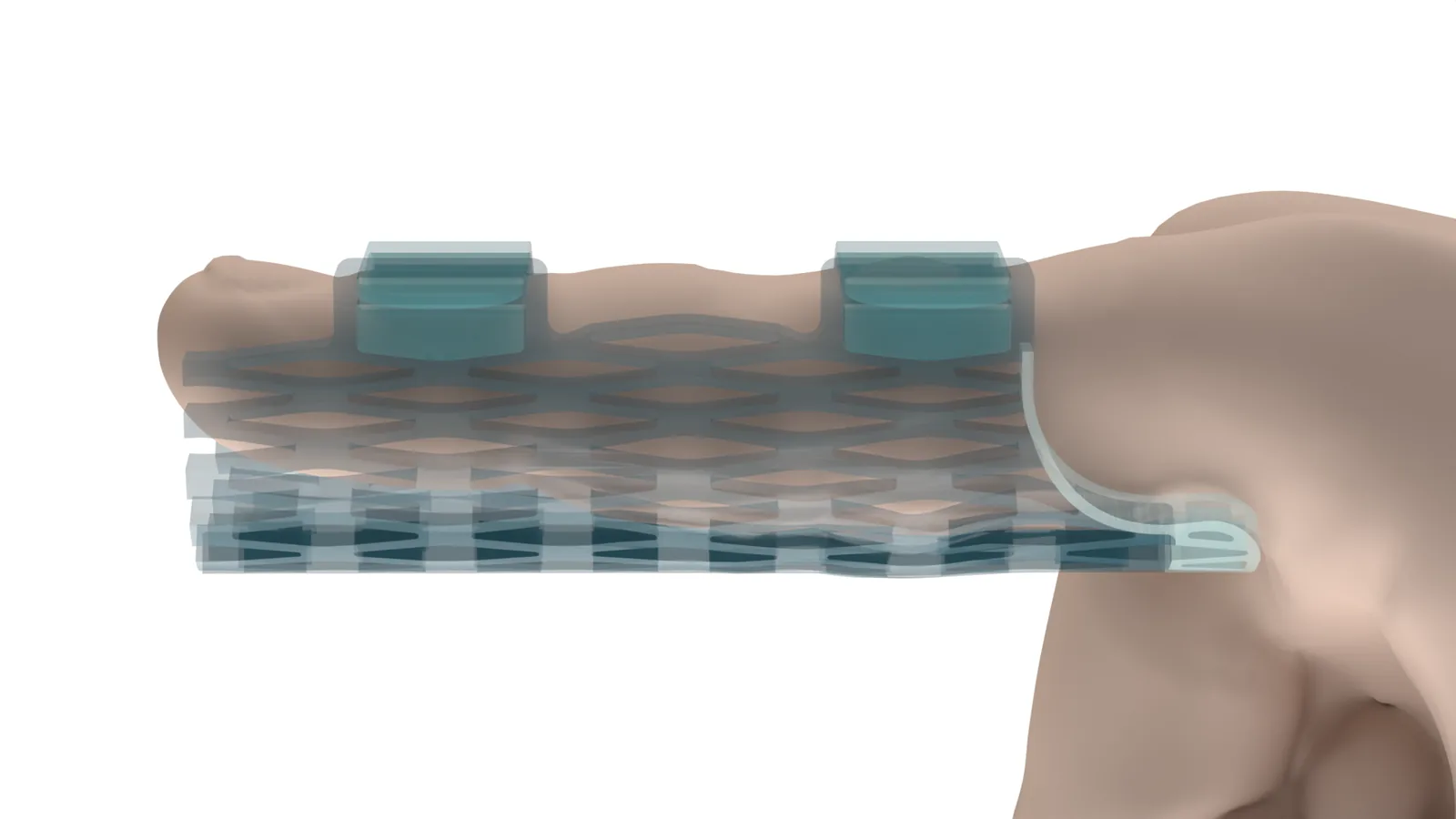
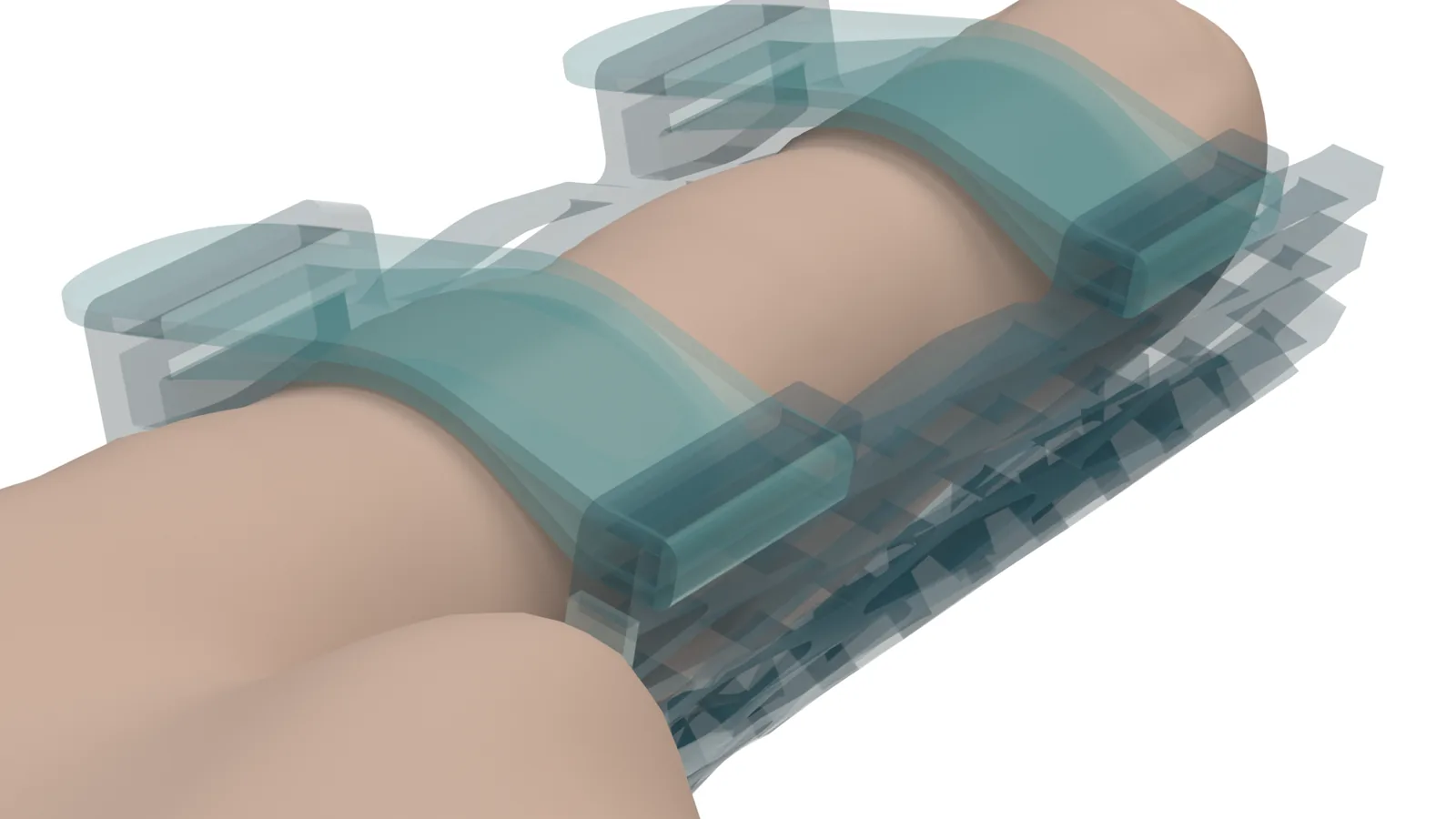
What a photograph cannot show
A finished part reads as a surface. The argument for the platform is underneath it: where the struts run, how they meet, and how much of the volume is deliberately left empty. These are the same models the machine builds from, rendered through the surface.
In development
StruxaOS
StruxaOS is software in development. The intent is direct: give a hospital the ability to design and produce a patient-specific orthopedic support on site, informed by data, rather than reaching for the nearest stock size.
In the model we are building toward, a care team captures the geometry of the limb, the software generates a Struxaform structure fitted to that geometry, and the part is produced in the facility. What has been produced before informs what gets produced next. The lattice is parametric, which is what makes this possible at all: a structure defined by rules is a structure software can fit to a person.
This is the second half of the same problem. Structure that can be tuned to an individual is only useful if someone can actually generate it at the point of care.
Status
StruxaOS is in development. It is not available for purchase or for clinical use. It has not been cleared, approved, or validated by any regulatory body, and nothing on this page should be read as a claim that it has been.
What it is intended to do
- Capture patient geometry at the point of care
- Generate a fitted Struxaform structure from that geometry
- Support production of the part on site
- Use data from prior production to inform later design
What we are not saying
- No availability date
- No regulatory clearance, and none implied
- No clinical claims of any kind
How we work
Research approach
Short loops, and a strong preference for measured results over confident opinions.
- 01
Iterate in short loops
Designs are parametric, so a change to cell size or strut orientation is a parameter, not a redraw. We would rather run many variants and keep the one that measures best than argue about which one should win.
- 02
Manufacture in house
Production is additive, in our own facility in Lakewood, Colorado. Making the parts ourselves keeps the loop between design intent and what the machine actually produces short.
Direction
Where this is going
What follows is intent, not a roadmap and not a promise. We will describe things as shipping when they ship.
The finger splints are the beginning. The interesting claim is not that a finger splint can be built this way, it is that the method is general. We intend to work outward from the hand toward other parts of the body where the same constraints hold: a support has to take a specific shape, hold it, stay light, and stay open.
We also intend to keep closing the gap between the two halves of the work. A lattice defined by parameters is a lattice software can fit to an individual, which is why the structure research and StruxaOS are one program rather than two. Progress on either side moves the other.
The longer aim is a way of making orthopedic supports where each one is a designed part for a specific person, produced near that person, rather than a size picked from a box. That is a long piece of work. We are early in it, and we would rather say so than overstate where we are.
- A wrist splint is nextThe immediate next product from the platform, and the first Struxaform application beyond the fingers. In development.
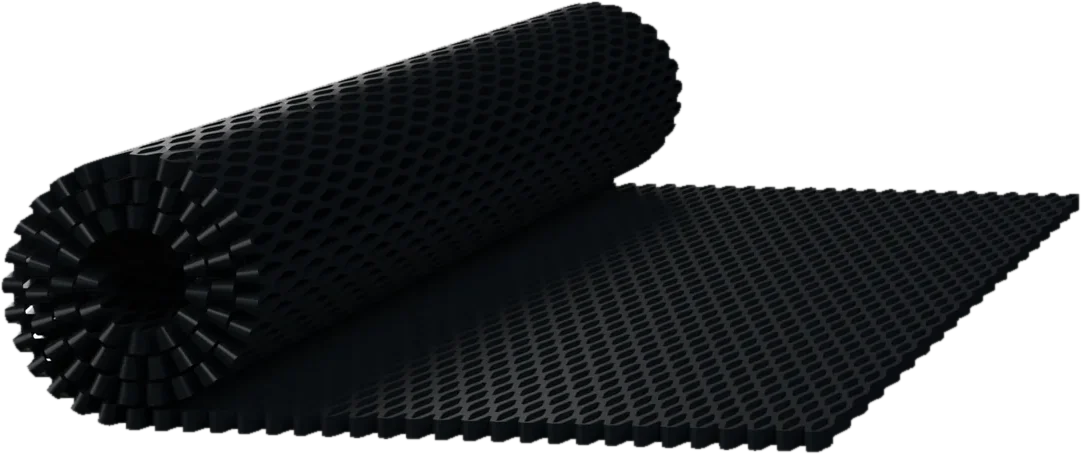
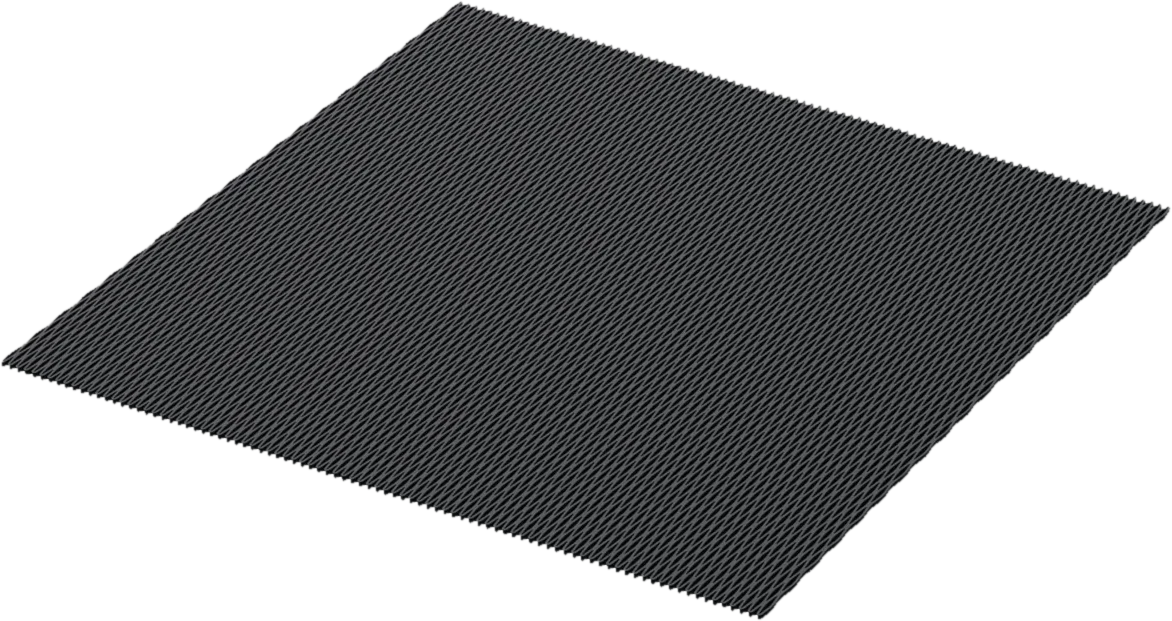
- EMS latticesFlexible lattice panels built from the same structure, in development for field use, where a support has to roll flat and travel.
- Beyond the handExtending the Struxaform platform to a broader range of orthopedic supports, working outward from the anatomy we know best.
- Structure informed by dataUsing what we measure from parts already produced to improve the geometry of the parts that come next.
- Production at the point of careContinuing to build toward on-site design and production through StruxaOS, which remains in development.
Join us
Come build it
Struxa Labs is small and the roadmap is longer than the team. Open roles, including engineering on StruxaOS and the splint platform, are listed on the Struxa careers page.
If you would rather compare notes than apply, research collaboration, materials and manufacturing, and clinical input on where supports fall short today are all welcome by email.